دنبال چی میگردی?

 fa
fa en
en fr
fr de
de it
it es
es ar
ar ja
ja cs
cs CN
CN
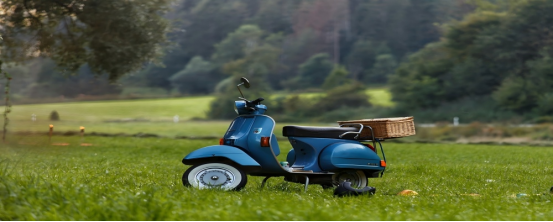
هنگام موتورسواری در زمستان، بسیاری از مردم صرفاً روی گرم ماندن تمرکز میکنند، اما از «احساسات» باتری غافل میشوند. در واقع، چند مرحله ساده میتواند باتری شما را در بهترین شرایط نگه دارد:
1. Don't rush off after starting
; let it idle for 5 minutes to "wake up" the battery. After starting your motorcycle in winter, don't rush to step on the accelerator. The battery is still in its "low-temperature dormancy" state. Accelerating immediately will cause a sudden, high-current discharge, which can damage the plates over time. The correct approach is to idle for 5 minutes after starting. This allows the engine to drive the generator, slowly charging the battery and gradually activating the battery's chemical reactions.
2. Avoid frequent starting and stopping to reduce battery "excessive wear."
Some motorcyclists often turn off the engine to save fuel while waiting at red lights in winter, but this actually harms the battery. Each start in cold temperatures requires the battery to release a large amount of current. Frequent starting and stopping puts the battery in a high-frequency "discharge-charge" cycle, which can easily lead to battery depletion. If the waiting time is less than one minute, it's recommended to idle; if it exceeds three minutes, consider turning off the engine. Even if you occasionally run low on battery, don't panic. GEMBATTERY
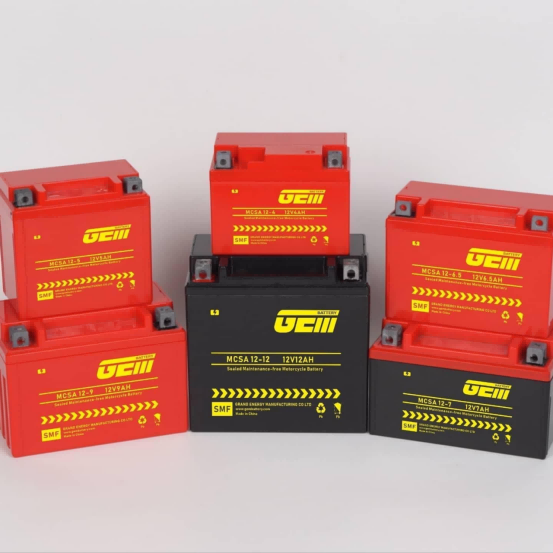
MCSA series motorcycle batteries
support fast charging. Find a charging station and you'll quickly be fully charged, significantly saving time compared to the eight-hour charging time of traditional batteries.
3. Wipe the battery after every ride to make it more durable.
After riding in snowy or thawed conditions, snow and de-icing agents can easily remain on the battery surface. These corrosive liquids can gradually corrode the battery casing and terminals. Therefore, after each stop, be sure to wipe the battery surface clean with a dry cloth, especially the terminals. You can also check for loose terminals. If there's slight corrosion, gently sand them with sandpaper and apply a layer of Vaseline to protect them. This will prevent starting problems caused by poor contact. The GEMBATTERY MCSA series motorcycle battery casing is made of corrosion-resistant material, but regular cleaning can still reduce unnecessary wear and extend the battery's life.
Long-Term Parking: 4-Step Care to Say Goodbye to "Winter Start Difficulties"
If you won't ride for days or even weeks due to cold weather, battery care is even more crucial. Many
motorcyclists' batteries
"die," not because they're worn out, but because they've been stored for half a month. Remember these 4 steps, and your battery will be ready to go even after a two-week hibernation:
1. Fully charge your battery before parking to avoid "hibernation."
Before long-term parking, it's crucial to fully charge the battery. Low temperatures accelerate self-discharge, and a fully charged battery reduces sulfation (also known as "sulfation"), which permanently reduces battery capacity. GEMBATTERY MCSA series motorcycle batteries automatically shut off when fully charged, so there's no need to worry about overcharging. Simply ensure the battery is at least 90% charged before parking; this is a crucial step to prevent the battery from "sleeping."
2. Remove the battery and store it in a warm place for the winter.
If you plan to park your motorcycle for more than two weeks, it's best to remove the battery from the motorcycle and store it indoors (ideally between 5°C and 20°C). Because motorcycle batteries are constantly exposed to low temperatures when parked outdoors, their self-discharge rate can be three times faster than when parked indoors. When removing the battery, remember to disconnect the negative cable first, then the positive cable. When installing, do the opposite: connect the positive terminal first, then the negative terminal, to avoid short circuits. GEMBATTERY MCSA series motorcycle batteries are lightweight and easy to remove, making them easy for women to handle.
3. Recharge every 15 days to maintain "activity."
Even if you remove the battery and store it indoors, charge it every 15 days—this keeps it active and prevents sulfation. You don't need to fully charge it; charging to 80% is sufficient. Overcharging can actually increase battery wear.
4. Avoid covering the battery with too thick a cloth to allow it to breathe.
Some motorcyclists use thick cloth to keep the battery warm, but this is actually not a good idea. The battery will heat up slightly during storage, and thick cloth can interfere with heat dissipation, potentially causing the internal temperature to overheat and shortening its lifespan. The correct approach is to store the removed battery in a ventilated, dry place, away from direct sunlight and heat sources (such as heaters). Store at room temperature. The heat-resistant design of the GEMBATTERY MCSA series motorcycle batteries can withstand indoor temperature fluctuations, so there's no need for additional "warming."

Common Misconceptions: Avoid These 3 Things for Longer Battery Life
Finally, let's address a few common misconceptions about winter battery care that many people have fallen into:
Myth 1:
"The battery doesn't need to be charged in the winter; it will charge automatically while riding." - Generator charging while riding is only sufficient for daily use and will deplete the battery over time. Regular charging is key.
Myth 2:
"High-current fast charging quickly restores the battery's charge." - High currents can damage the battery plates. GEMBATTERY MCSA series motorcycle batteries support fast charging, but use the included charger; avoid using non-original high-current equipment.
Myth 3:
"If the battery is frozen, just bake it and it will work." - Frozen batteries should not be heated, as this will crack the casing. The correct approach is to thaw naturally at room temperature before charging.
When riding a
motorcycle in winter
, the condition of the battery directly determines the enjoyment of the ride—no one wants to push their motorcycle in the freezing wind, and no one wants to be delayed by battery problems. GEMBATTERY motorcycle batteries are designed specifically for winter, but good batteries also require good care. Mastering these tips will not only ensure your battery starts once in winter, but also extend its lifespan, allowing you to comfortably ride your motorcycle through the winter and fully enjoy the joys of winter riding.
If your motorcycle battery is experiencing weak starting and reduced range, consider the GEMBATTERY MCSA series motorcycle batteries—resistant to -30°C, IP67 waterproof, fast-charging, maintenance-free, leak-proof, and over-discharge-resistant—making winter riding worry-free. Order now and receive free installation guidance. Replace your bike with a "cold-resistant" battery for even more comfortable riding this winter!

تیم ما از کارکنان متخصص آماده همکاری با شما و ارائه خدمات حرفه ای. شما می توانید پاسخ داد: بلافاصله با اطلاعات ارزشمند است. اجازه همکاری ما آغاز شده به زودی!


 IPv6 شبکه پشتیبانی می کند